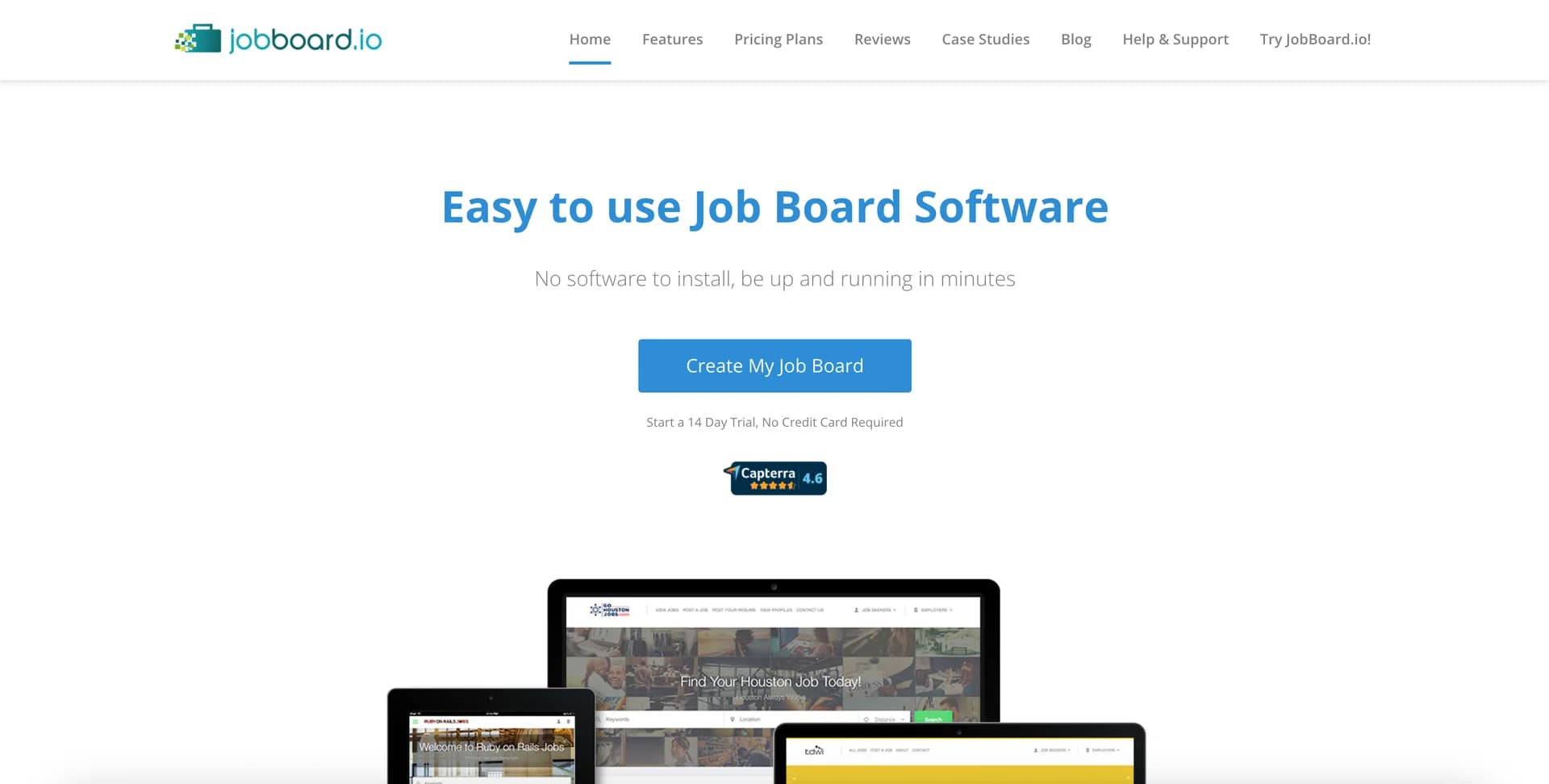
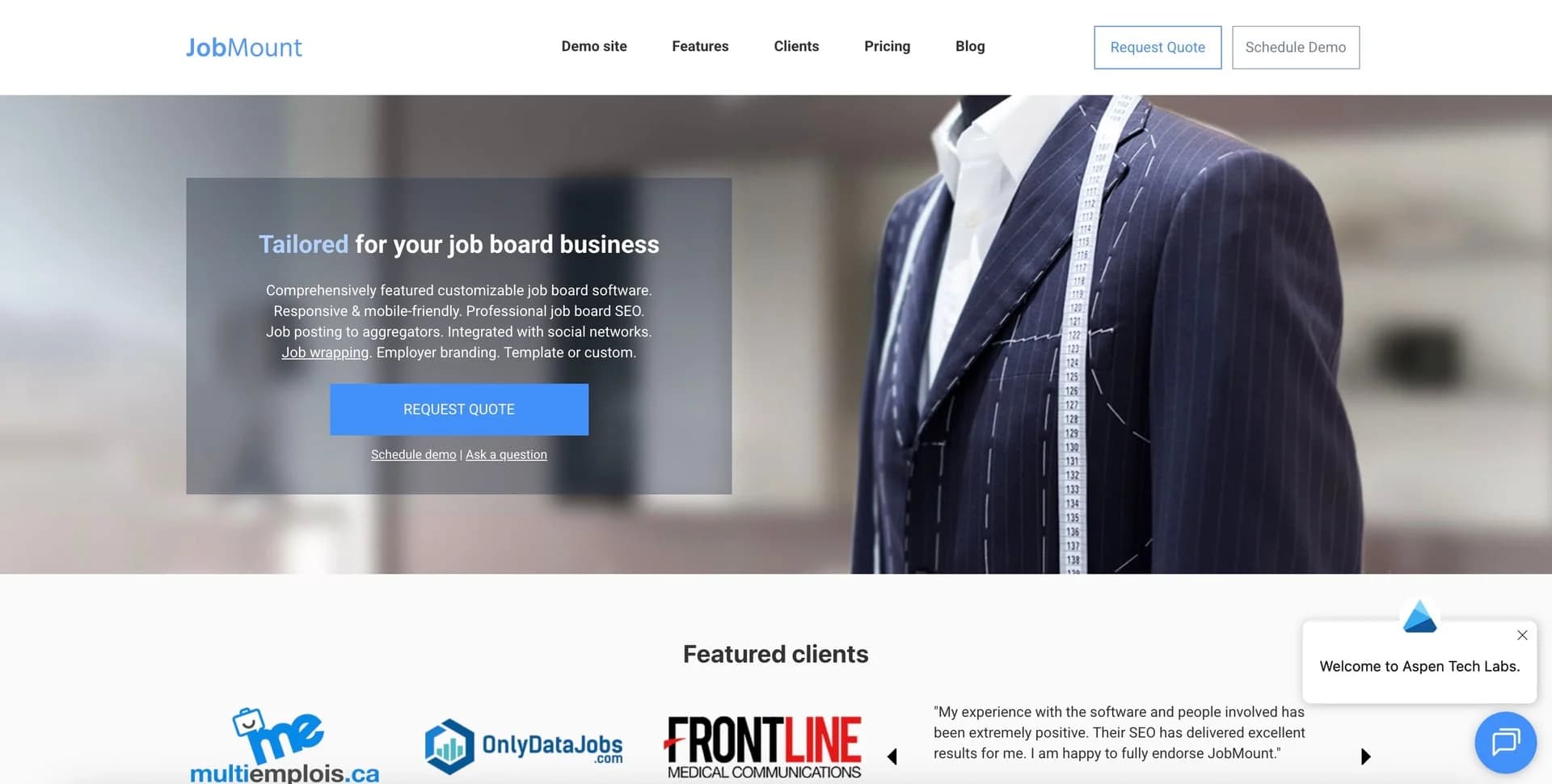
Job Boardly markets itself as the most affordable way to launch a job board, and for good reason: at $40/month ($27/month annually) with unlimited jobs, pages, and traffic, it undercuts most competitors by a wide margin. The Pro plan runs $80/month ($53/month annually) and adds branding removal. The 7M+ job backfill library and 30-day money-back guarantee make it a low-risk starting point for first-time creators. But affordable isn't the same as cheap in the long run. Once you factor in per-credit backfilling costs ($0.009/credit, sold in 1,000-credit increments for $9) and the Pro plan needed to remove branding, the math starts to shift. Here's how to think about your options.
Job Boardly vs alternatives: quick comparison
| Platform | Starting price | Aggregation | Branding removal | Custom domain | Best for |
|---|---|---|---|---|---|
| Job Boardly | $40/mo | $0.009/credit | Pro plan ($80/mo) | Included | Budget-conscious beginners |
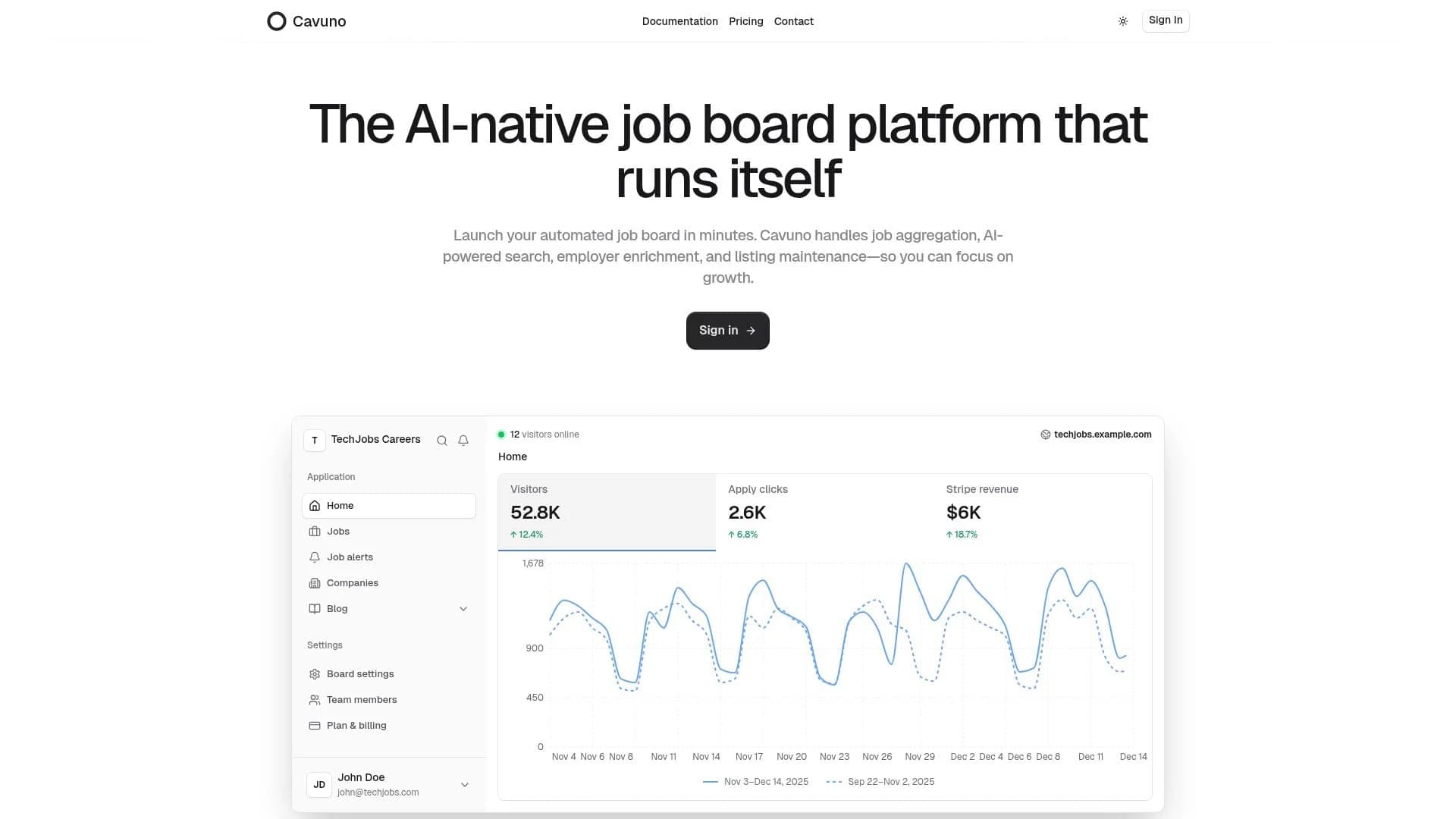
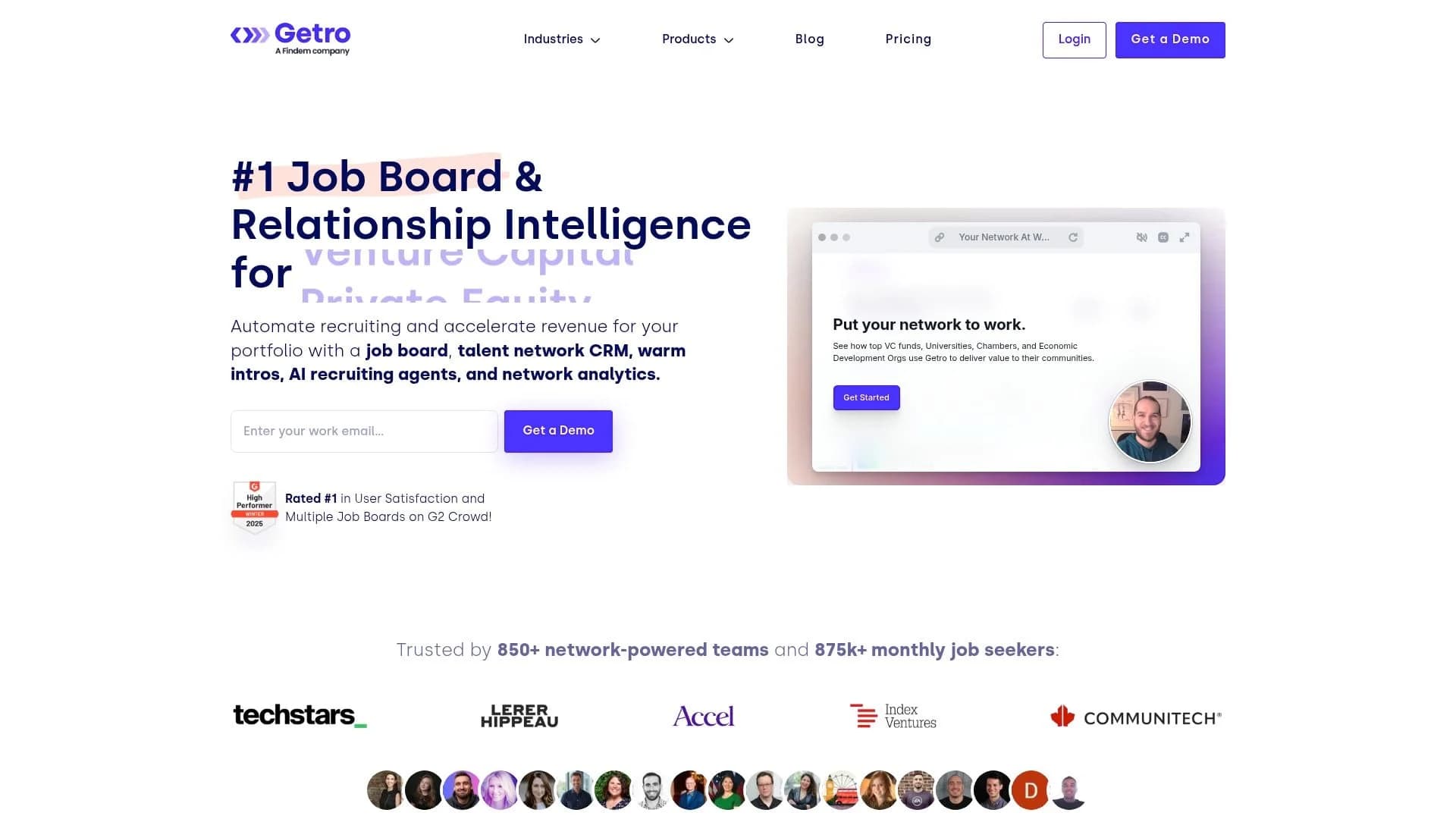
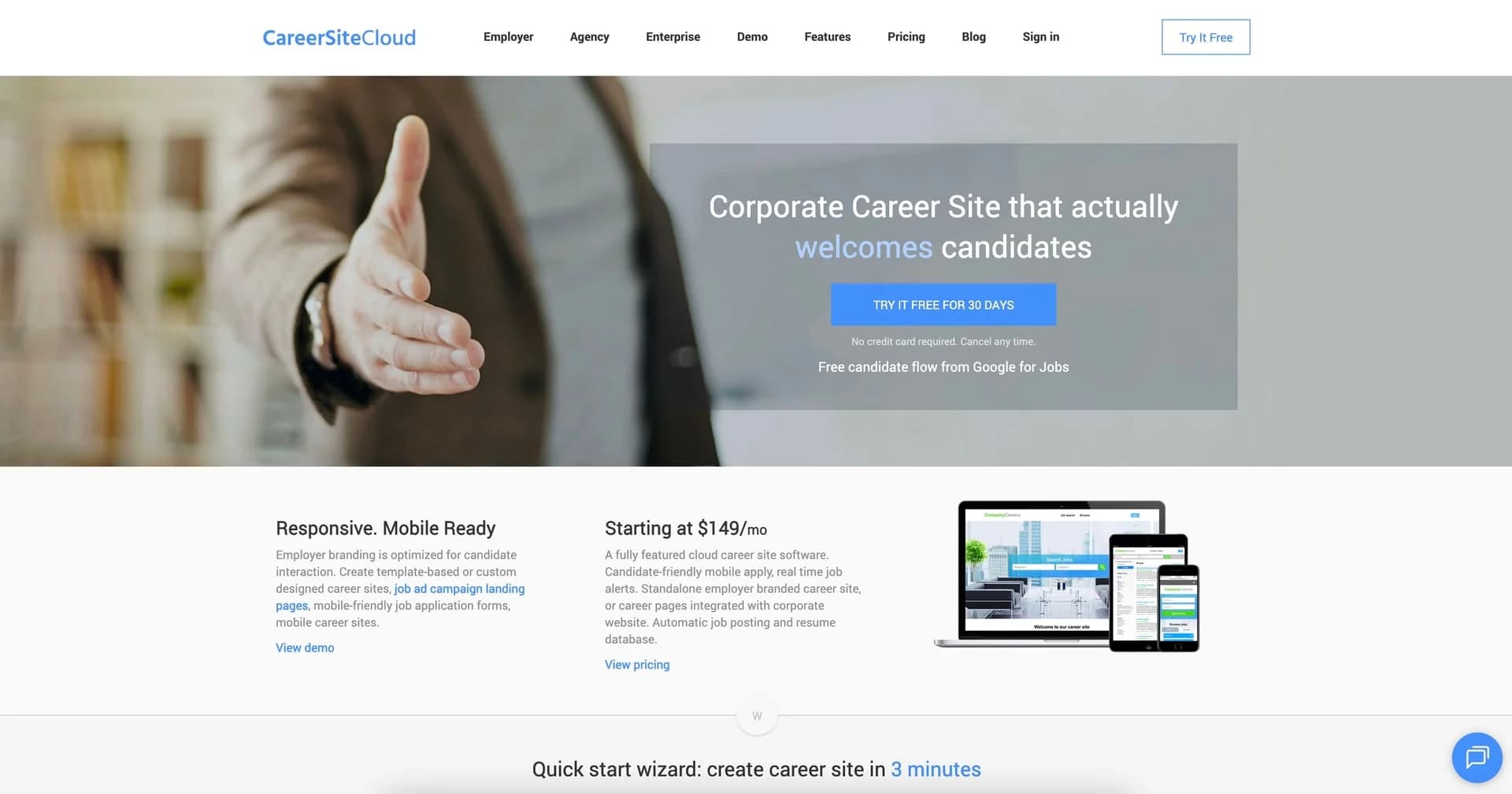
| Cavuno | $29/mo | Included | Included | Included | Predictable costs, AI search |
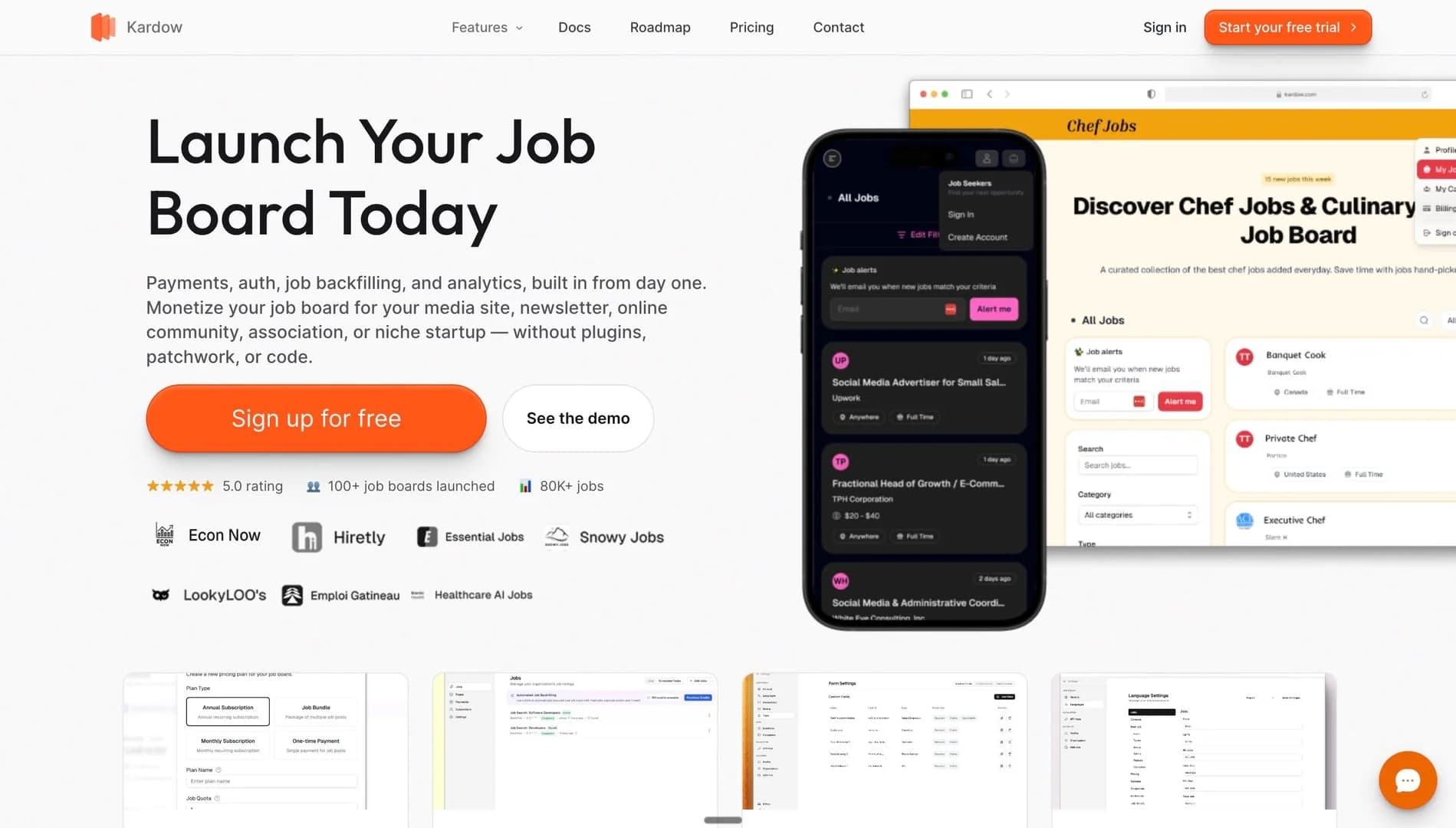
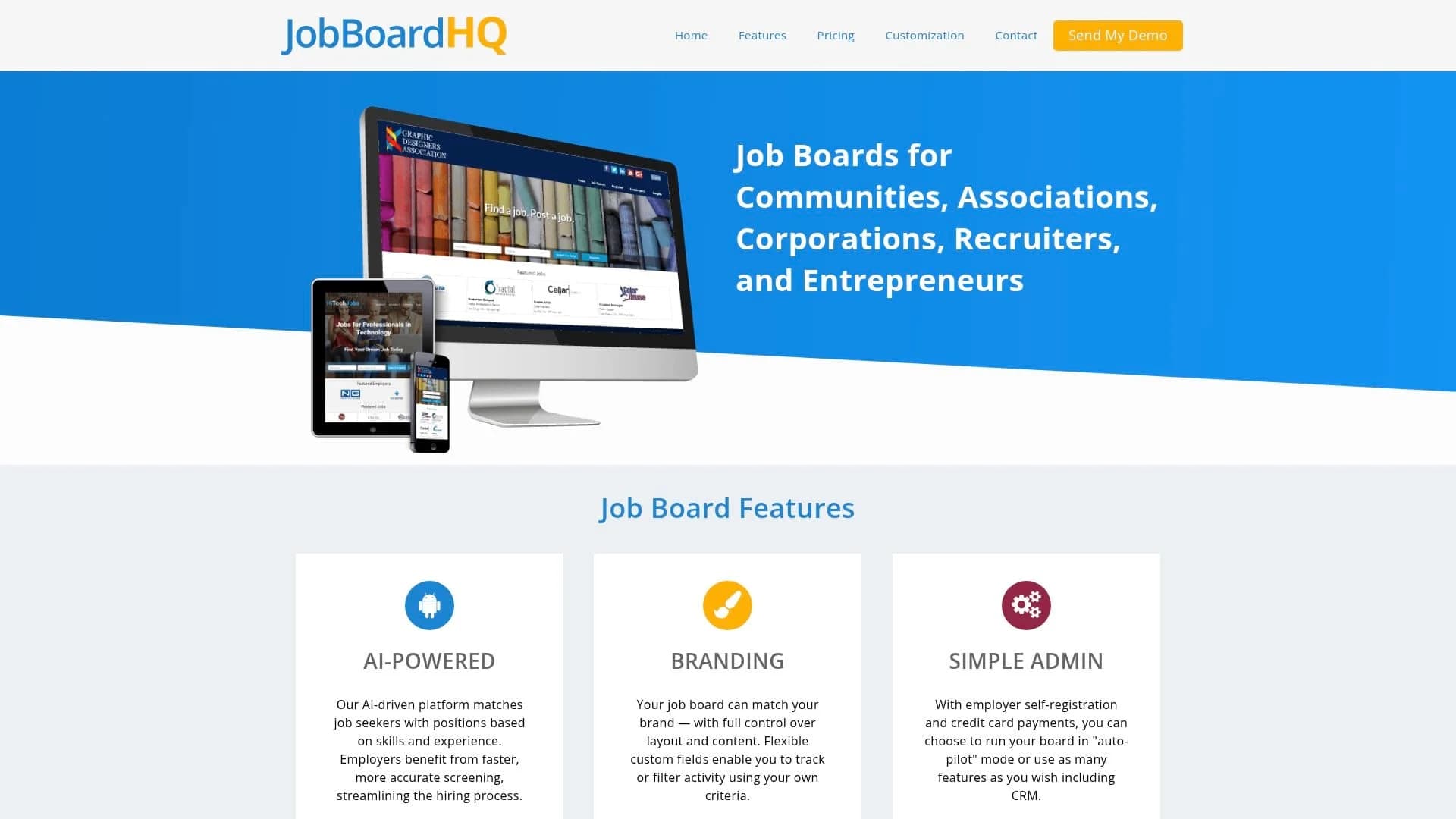
| Kardow | $17/mo | 150 credits included | Included | Included | Lowest starting cost |
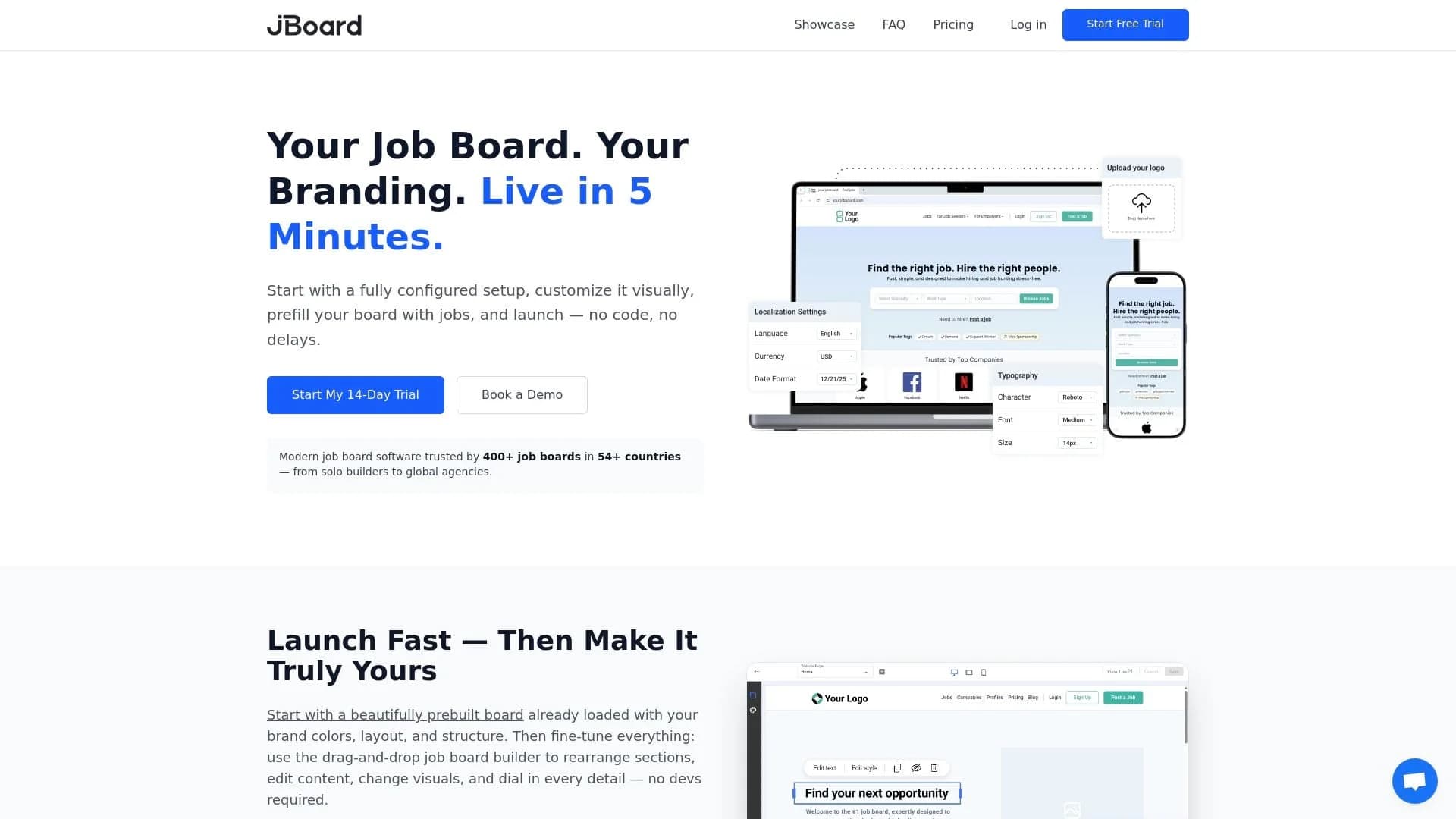
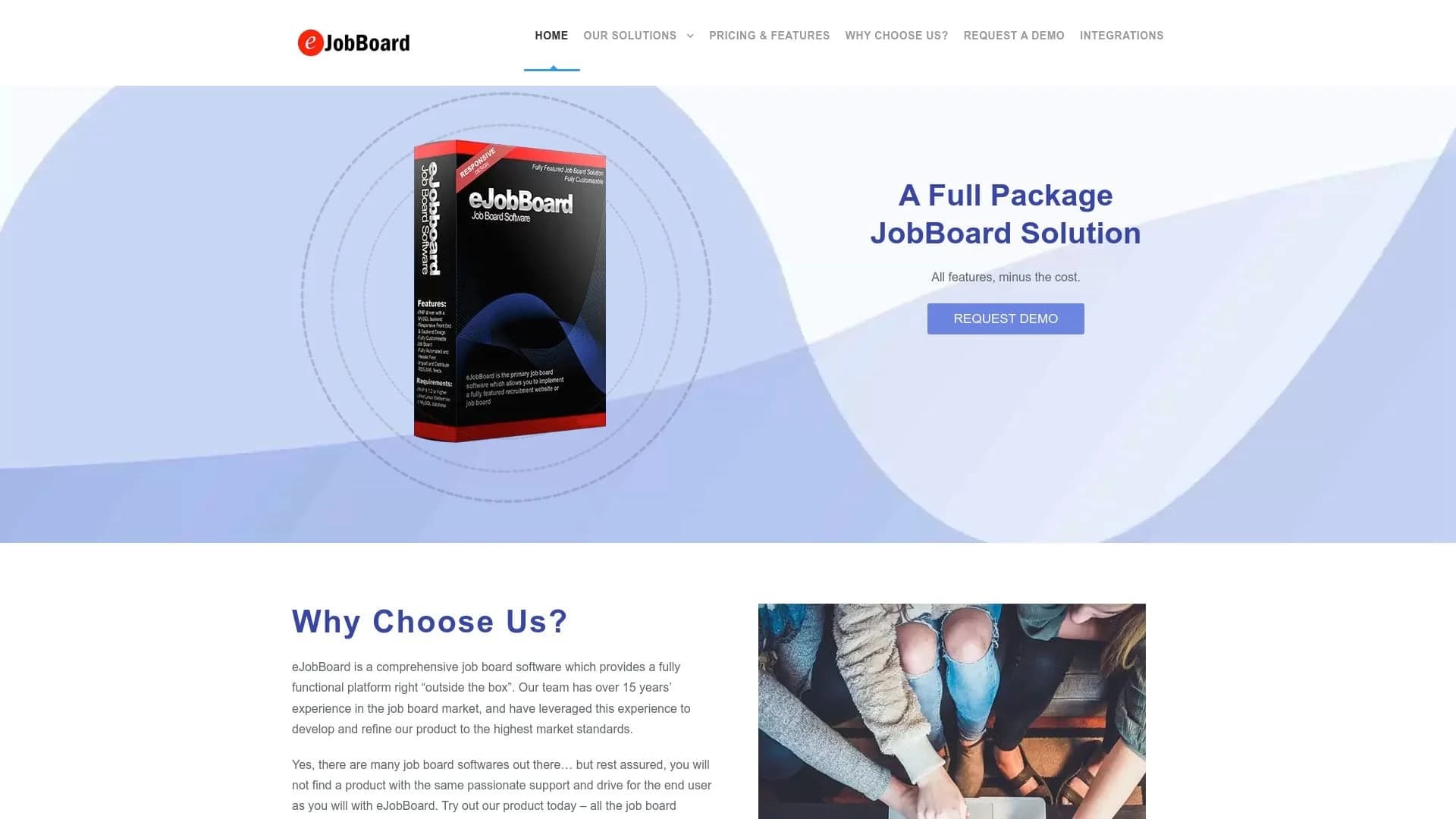
| JBoard | $149/mo | 800+ sources | Included | Included | Established operators |
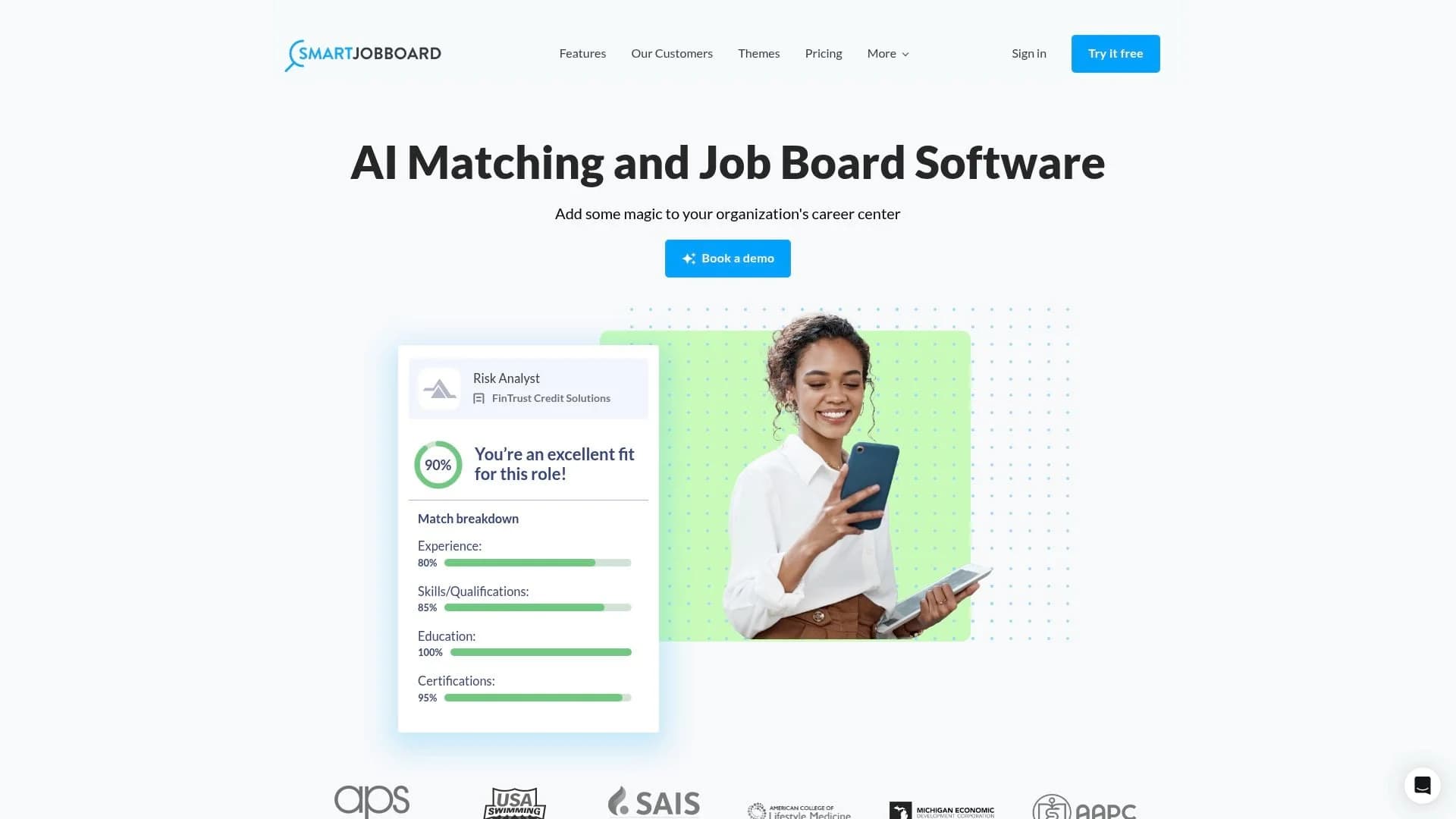
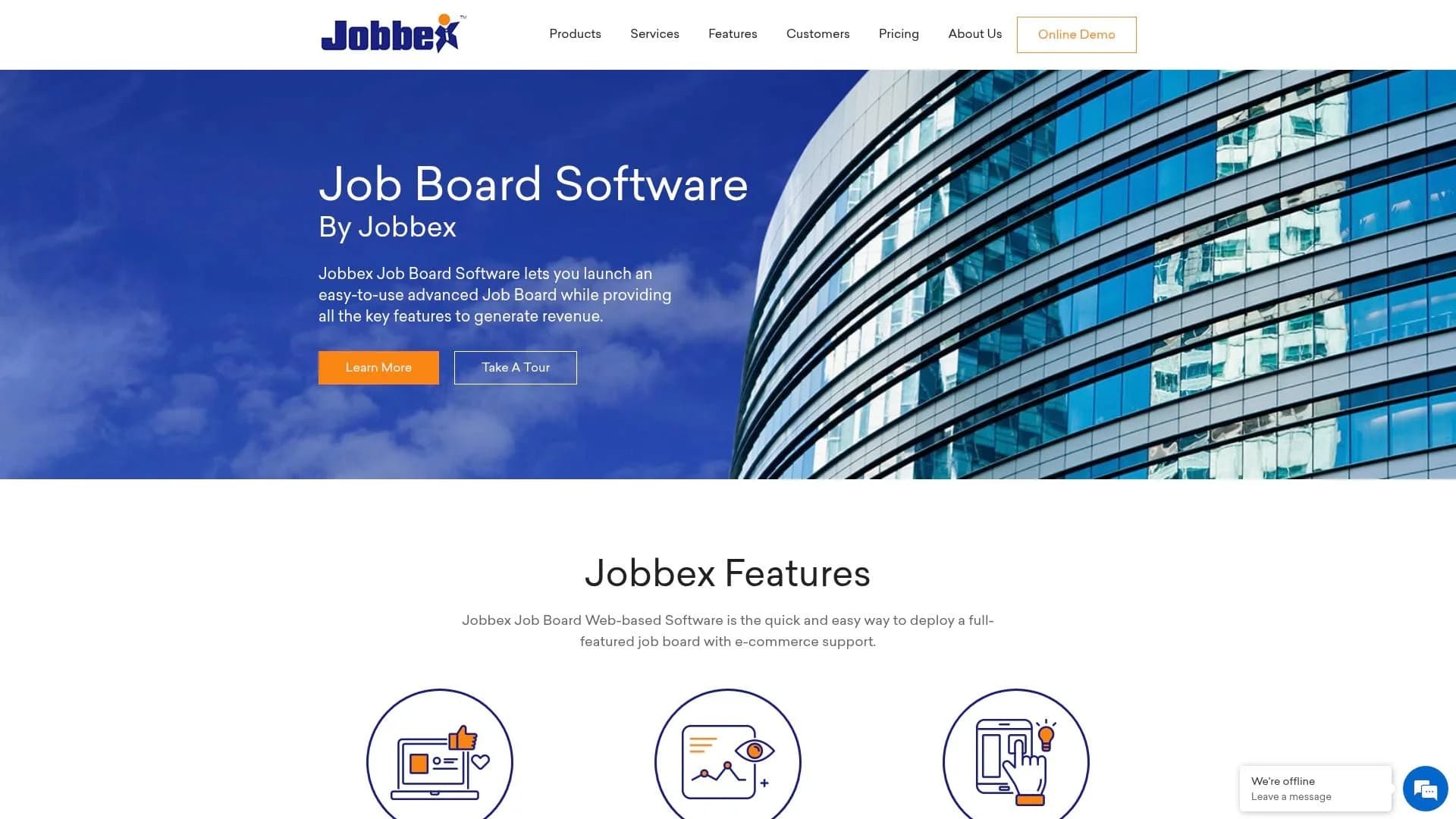
| SmartJobBoard | Contact sales | XML-only | Included | Included | Enterprise features |
Bottom line: Job Boardly wins on base price, but Cavuno and Kardow often cost less once you factor in aggregation and branding removal.
How to evaluate Job Boardly alternatives
Our job board software buyer's guide covers the 9 key decisions for choosing a platform. Here's how those decisions apply when evaluating Job Boardly alternatives specifically.
Switching platforms (or choosing your first one) deserves more than a glance at the monthly price tag. When you're bootstrapping a job board, every dollar matters, but so does every hour you spend working around limitations. Here's what to focus on.
Total cost of ownership, not just sticker price
Job Boardly's $40/month ($27/month annually) headline is appealing. But the real question is what you'll pay six months in. Backfill credits at $0.009 each (sold in 1,000-credit increments for $9) sound trivial until you're pulling thousands of jobs per month to keep your board looking full. That can easily add $50-$100/month on top of your base plan. Compare that to Cavuno at $29/month with aggregation included on all plans, or Kardow at $17/month with 150 credits included (scaling to 2,000 on their Enterprise plan). The platform that looks cheapest on day one isn't always cheapest on day ninety.
Employer tools: features you can skip early on
Not every feature matters when you're starting out. Advanced analytics, API access, custom integrations: these matter more once you have traction. What you can't skip is reliable job aggregation (an empty board kills credibility), basic SEO tools (organic traffic is your lifeline), and a clean design that doesn't scream "template." Job Boardly covers the basics well, but if you're comparing alternatives, prioritize the features that directly drive revenue (job posting monetization, employer accounts, and email alerts) over flashy dashboards.
Scaling costs as you grow
A job board that takes off will cost more to run no matter what platform you choose. The question is how predictably those costs grow. Flat-rate platforms like Cavuno keep your costs constant whether you have 100 or 10,000 listings. Credit-based models like Job Boardly's backfill system scale linearly with your ambition: the more jobs you aggregate, the more you pay. If your strategy depends on dense, niche coverage across multiple locations, run the numbers on credit costs before you commit.
Monetization infrastructure: hidden costs worth watching
Branding removal is the classic upsell. Job Boardly charges $80/month for their Pro plan, which is the only way to remove their logo from your board. That's double the base price for what amounts to a cosmetic change, but it's a cosmetic change that matters when you're trying to look professional to employers willing to pay for job posts. Other hidden costs to watch across platforms include custom domain fees, SSL certificates, email sending limits, and premium support tiers. Cavuno and Kardow include branding removal and custom domains at their base price. JBoard at $149/month and SmartJobBoard (contact sales) include more features but at a price point that defeats the purpose of bootstrapping.
Time to launch: how quickly can you go live
Time is money when you're bootstrapping. Job Boardly's quick-setup promise is real: you can have a board live in under an hour. But "live" and "ready to make money" are different things. Evaluate how long it takes to customize your design, set up job categories, configure pricing for employers, and populate your board with enough listings to look credible. Some platforms front-load the setup work but save you time later with better defaults and templates.
Which Job Boardly alternative is right for you?
Your best option depends on where you are right now and where you're headed.
If you want the lowest possible monthly cost and you're comfortable with a simpler feature set, Kardow at $17/month is hard to beat. It includes aggregation credits in the base price and covers the essentials without extras you don't need yet.
If you want aggregation included without watching a credit meter, Cavuno at $29/month is the strongest option. You get job backfilling included on all plans (up to your active job limit), branding removal, and a custom domain included, with no surprise costs as your board grows. It's built for operators who want predictable economics from day one.
If you need advanced features like a full applicant tracking system, deep analytics, or multi-board management, JBoard ($149/month) or SmartJobBoard (contact sales) serve that market. Both are better suited for established operators with proven revenue.
If Job Boardly is already working for you and your backfill costs are manageable, there's no urgent reason to switch. The $40/month base plan is competitive for a board with light aggregation needs. Just keep an eye on those credit costs as you scale.